
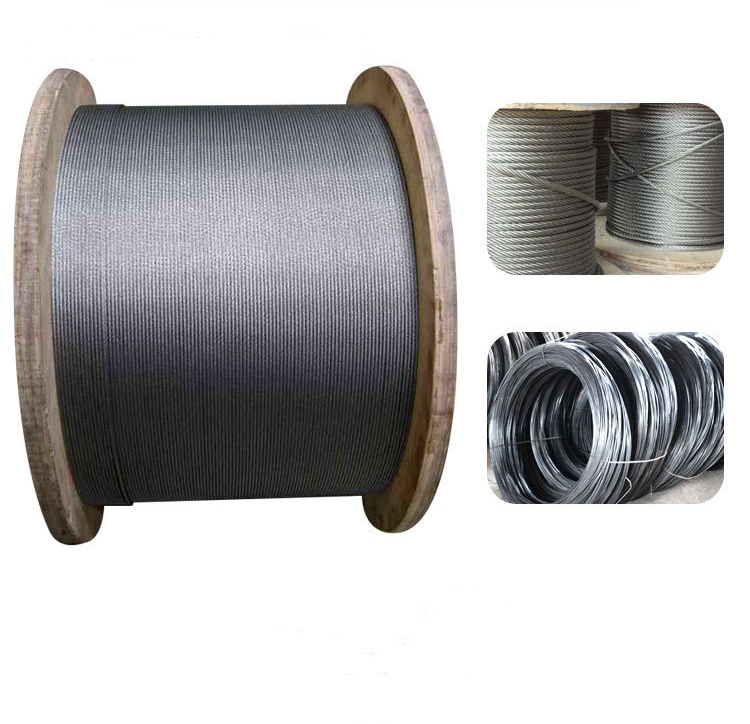
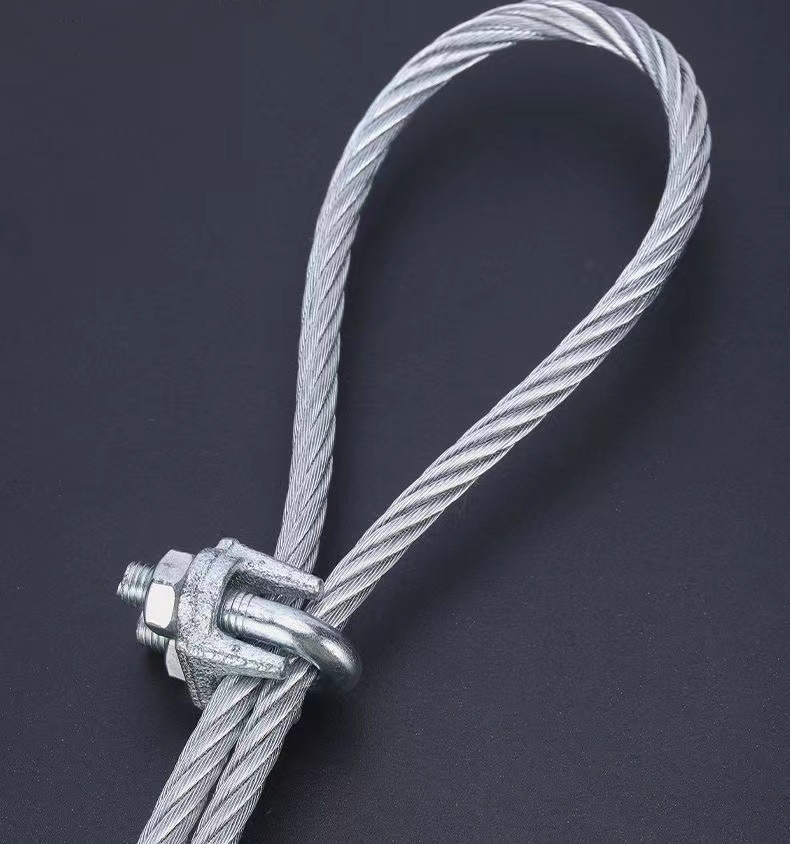
wire rope
Model:6×19, 6×37,6×61,18×7, 35W×7
Purpose:lifting and industrial applications,tower cranes, port cranes, and high-rise hoisting where anti-rotation is critical. * Elevator/Freight Elevator Wire Ropes (e.g., 8
A wire rope is a flexible load-bearing component made by twisting multiple high-strength wires into strands, which are then helically wrapped around a core. Known for high strength, low self-weight, smooth operation, and minimal risk of sudden breakage.
A wire rope is a flexible load-bearing component made by twisting multiple high-strength wires into strands, which are then helically wrapped around a core. Known for high strength, low self-weight, smooth operation, and minimal risk of sudden breakage, wire ropes are widely used in hoisting, traction, tensioning, and load-bearing applications in material handling machinery.
1. Common Specifications
The specification of a wire rope is typically denoted by the "number of strands × number of wires per strand + core". In lifting and industrial applications, the three most common basic specifications are 6×19, 6×37, and 6×61:
* 6×19 Wire Rope: Composed of 6 strands with 19 wires each. It has high rigidity and good wear resistance, but relatively low flexibility. It is suitable for applications with high tension and wear requirements but low bending demands, such as cranes, ship mooring, guy ropes, and simple bundling.
* 6×37 Wire Rope: Features a higher number of finer wires per strand, offering excellent flexibility. It is ideal for applications requiring frequent bending, such as heavy lifting, pulley blocks, bundling, and bridge construction.
* 6×61 Wire Rope: Made of the finest wires with the highest flexibility, suitable for precision or complex lifting needs like cable car traction and blast furnace hoisting.
Besides these basic types, there are other common specifications for special working conditions:
* Multi-strand Non-rotating Wire Ropes (e.g., 18×7, 35W×7): Composed of multiple layers of strands with opposite lay directions to counteract rotational torque. They are specifically used in tower cranes, port cranes, and high-rise hoisting where anti-rotation is critical.
* Elevator/Freight Elevator Wire Ropes (e.g., 8×19S): Designed with line-contact for high fatigue life, specifically used in elevator traction, oil drilling, and cable car systems.
* Face-contact/Fan-shaped Strand Wire Ropes (e.g., 4V×39S): Offering exceptional wear resistance, suitable for high-load scenarios like truck cranes, large cranes, and mining hoisting.
2. Core Parameters and Selection Overview
In practical selection, besides structural specifications, the following core parameters must be considered:
* Nominal Diameter (mm): The basic parameter measuring the thickness of the wire rope. Small diameters (1.2-6mm) are used in agricultural greenhouses or small equipment; medium diameters (7-20mm) for construction tower cranes and cargo bundling; large diameters (22-60mm and above) for bridge construction and mining machinery traction.
* Nominal Tensile Strength (MPa): The key indicator of load-bearing capacity. Common grades include 1570, 1670, 1770, 1870, and 1960 MPa. The higher the value, the stronger the load-bearing capacity.
* Core Classification:
* Fiber Core (FC): Highly flexible with good elasticity and lubrication retention, suitable for elevators, cableways, and light-duty transport.
* Steel Core (IWR/IWS): Resistant to crushing and high temperatures, with a higher breaking load, suitable for mine hoisting, metallurgy, and heavy-duty applications.
* Surface Treatment:
* Bright (Uncoated) Wire Rope: Coated with oil for rust prevention; cost-effective for general indoor environments.
* Galvanized Wire Rope: Available in hot-dip and electro-galvanized variants, offering good corrosion resistance for humid, marine, or corrosive environments.
* Plastic-coated/Stainless Steel Wire Rope: Provides cushioning, wear resistance, or meets high hygiene/corrosion resistance requirements, suitable for food, medical, and special anti-corrosion scenarios.
3. Safety Note
Wire rope selection cannot be based solely on breaking load; it must be combined with a Safety Factor. For example, the safety factor for general applications should be ≥5, for lifting equipment ≥6-8, and for passenger elevators ≥12. The actual working load must be strictly less than the minimum breaking load of the wire rope divided by the safety factor to ensure operational safety.
Industry application

石油工程

港口起重

煤炭矿山

工程机械

海洋工程

