
Steel Wire
Model:
Purpose:Industrial Manufacturing, Construction & Infrastructure,Transportation & Logistics,Agriculture & Daily Life
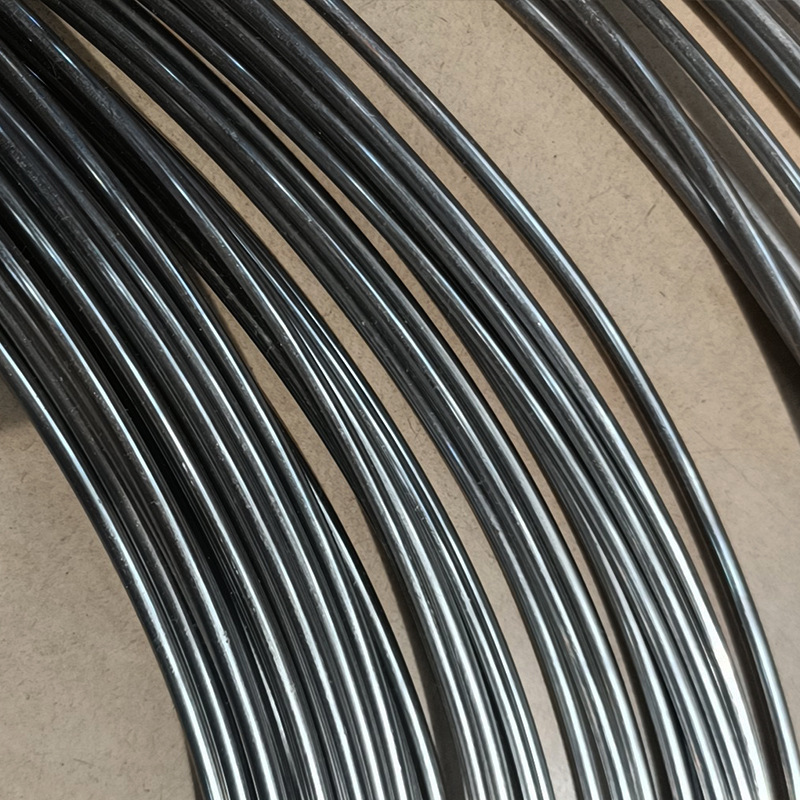
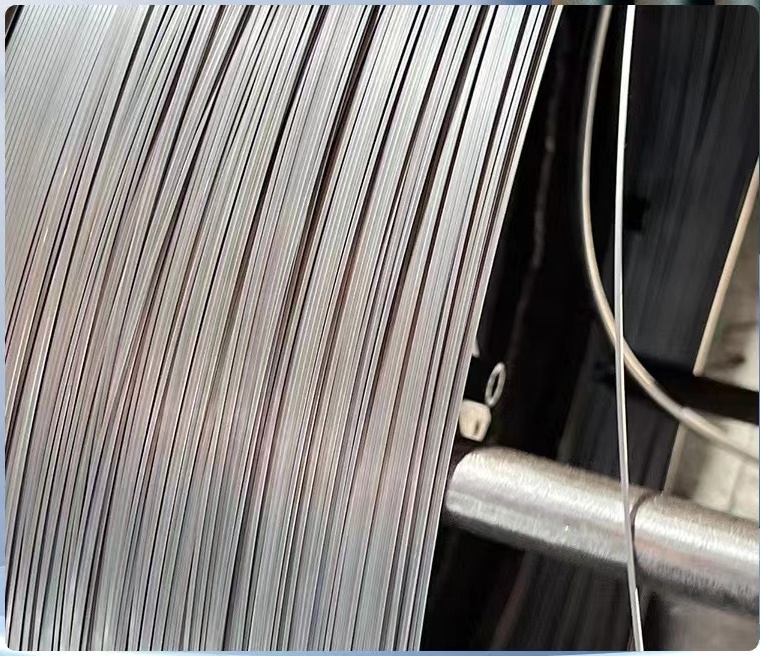
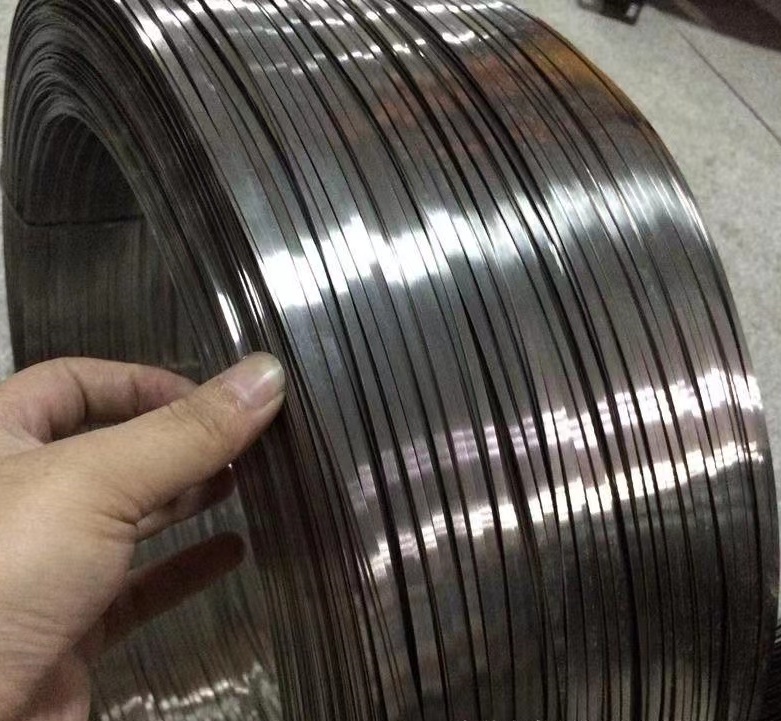
Steel wire is one of the four major categories of steel products (alongside plates, pipes, and profiles). It is typically a reprocessed metal wire manufactured by cold drawing hot-rolled wire rods.
Steel wire is one of the four major categories of steel products (alongside plates, pipes, and profiles). It is typically a reprocessed metal wire manufactured by cold drawing hot-rolled wire rods.
1. Basic Classifications
Steel wires come in a wide variety and are generally categorized by the following dimensions:
* By Cross-sectional Shape: Round steel wire and shaped steel wire (e.g., square, rectangular, oval, flat, triangular, and Z-shaped).
* By Dimension: Ranging from ultra-fine (less than 0.1 mm) to extra-thick (over 8.0 mm), covering various thickness specifications.
* By Tensile Strength: Divided into low, normal, relatively high, high, and extra-high strength grades.
* By Chemical Composition: Including plain carbon steel wire, stainless steel wire, and alloy steel wire.
* By Surface Treatment: Includes bright (uncoated), galvanized (cold/hot-dip), copper-plated, phosphated, and plastic-coated, mainly used for rust prevention and wear resistance.
2. Core Properties
The performance of steel wire primarily depends on its material and manufacturing process. For instance, high-carbon steel wire offers high strength and hardness, making it suitable for load-bearing and tensile applications; stainless steel wire provides excellent corrosion resistance for humid or special environments; and annealed (soft) steel wire features superior toughness and plasticity, making it easy to bend and form.
3. Main Applications
Steel wire has an extremely wide range of applications, covering almost every sector of the national economy:
* Industrial Manufacturing: Used to make springs, wire ropes, fasteners (e.g., rivets, screws), mechanical structural components, and textile card clothing.
* Construction & Infrastructure: Serves as reinforcement materials for concrete structures, bridge guardrails, binding wire for construction, and security window mesh.
* Transportation & Logistics: Applied in tire bead wires, railway guardrails, port hoisting cables, elevator lifting, and cargo bundling.
* Agriculture & Daily Life: Used for orchard protection nets, greenhouse frames, clotheslines, mattress springs, and cleaning balls.
In short, steel wire is a fundamental and indispensable industrial material. By altering its material, thickness, and surface treatment, it can meet diverse requirements ranging from precision instruments to heavy-duty engineering.
Industry application

石油工程

港口起重

煤炭矿山

工程机械

海洋工程

